


Welcome! In this guide, we’ll delve deep into the world of macronutrients – also known as “macros” in the fitness community. By the end, you’ll have an in-depth understanding of what macros are, why they’re important for health, and how to balance them for your individual needs and goals. Let’s get started!
What are Macronutrients?
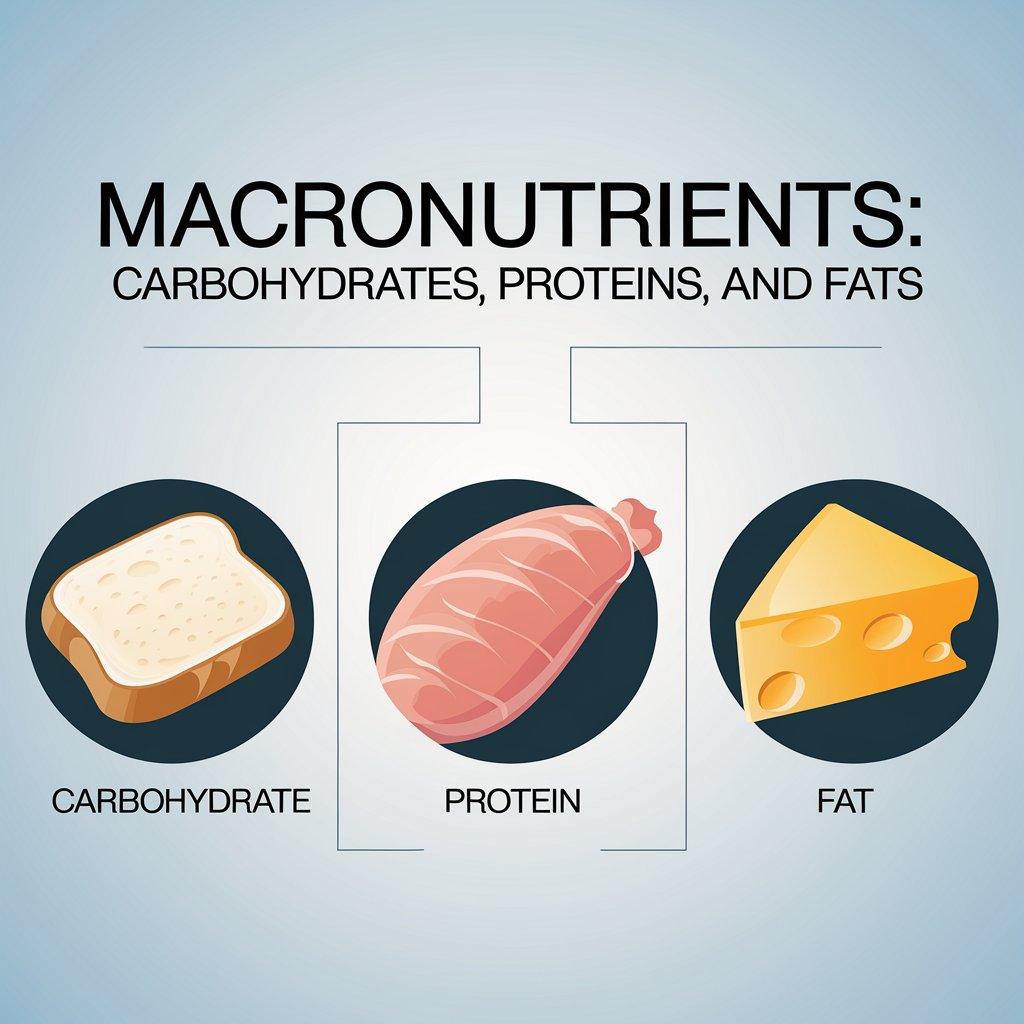
The term “macros” refers to the three main types of nutrients that our bodies need in large quantities each day: carbohydrates, proteins, and fats. Together, these macronutrients provide calories and essential components used for energy, growth, and overall health.

More specifically:
Carbohydrates are the main energy source for our bodies. They come in two forms:
- Simple carbs (sugars) like fruits, vegetables, dairy, and natural sugars provide a quick energy boost.
- Complex carbs (starches and fibers) from whole grains, legumes, and starchy veggies regulate blood sugar levels longer as they digest more slowly.
Proteins are used to build and repair tissues like muscles, organs, skin, and blood. High-quality protein sources include fish, poultry, eggs, dairy, legumes, nuts, and seeds.
Fats play numerous roles from providing energy storage to supporting cell growth. Not all fats are equal – unsaturated “healthy” fats from olive oil, avocados, nuts, and fatty fish are preferable to saturated and trans fats.
Why Do Macros Matter for Health?
Now that we understand the three main macro types, let’s dive into why balancing them is so important for optimal health, fitness and well-being:
Energy Levels – Carbohydrates are our primary energy source, fueling both our brain and physical activities. Consuming enough carbs prevents fatigue.
Muscle Growth – Eating a sufficient amount of high-quality protein on a daily basis supports muscle protein synthesis after exercise. This promotes muscle growth and recovery.
Weight Management – Consuming appropriate amounts of carbs, protein and fat can help regulate hormones involved in hunger and satiety. This supports a healthy metabolism and weight.
Heart Health – limiting unhealthy saturated and trans fats in favor of unsaturated fats from foods like avocados, nuts and fish contributes to lower “bad” LDL cholesterol and reduced heart disease risk.

Nutrient Absorption – Dietary fat provides a medium for fat-soluble vitamins A, D, E and K to be absorbed and utilized by the body. It’s also important for testosterone and other hormone production.
As you can see, macronutrients play crucial roles beyond just calories. Balancing them sets the foundation for optimal physical and mental performance as well as long term health.
Macronutrient Ratios – A Starting Point
Now that we understand why macros matter, how much of each should we aim to consume on a daily basis? The ideal ratio can vary individually, but here are general recommendations:
- Carbohydrates: 40-60% of total daily calories
- Protein: 10-30% of total daily calories
- Fat: 20-35% of total daily calories
These are flexible guidelines that provide a balanced mix of macros to meet the body’s varied needs. Total calorie intake depends on factors like age, gender, activity level and body composition goals.
Consulting a registered dietitian can help personalize your ideal ratios. Regular adjustments may also be needed as needs change over time. The overall balance and quality of sources is generally more important than strict adherence to percentages.
Let’s break down each macro in more detail:
Carbohydrates – Fuel for Daily Function
As our primary energy source, carbohydrates should make up 45-65% of daily calories for those following average activity levels. Higher intake supports active lifestyles and athletic performance.
Complex carbs like oats, brown rice, quinoa, sweet potatoes and legumes are recommended as fiber helps prevent spikes and crashes in blood sugar and insulin levels. However, a balanced intake of fruit and dairy is also important.
Some general carb guidelines:
- Sedentary individuals – 45-60% of daily calories from carbs
- Moderately active people – 50-65% of daily calories from carbs
- Endurance athletes – up to 70% of daily calories from carbs
It’s also crucial to get carb sources from whole foods as processed and refined options lack fiber and nutrients. Portion size and balance are keys – don’t skimp out on healthful carbs!
Protein – Essential for Growth and Repair
Protein is the second most abundant macro, making up 10-30% of daily calories depending on fitness objectives. Higher protein diets may aid weight management and muscle growth.
Adequate protein intake supports maintenance of muscle mass, especially important as we age. It’s recommended to consume:
- 0.7-1 grams of protein per pound of body weight per day for a sedentary lifestyle
- 1-1.5 grams per pound of body weight for active individuals
- 1.4-2.2 grams per pound of body weight for strength or endurance athletes
Opt for a variety of high-quality sources like chicken, fish, eggs, dairy, legumes, nuts and seeds to meet daily protein needs. Combining foods complements amino acid profiles.
Healthy Fats – Essential for Various Functions
Though often feared, dietary fats from the right sources are absolutely vital for health. Consume 20-35% of calories from mostly unsaturated fats.
Monounsaturated fats like avocados, nuts and olive oil support heart health when substituted for saturated fats. Omega-3 fatty acids from salmon, walnuts and flaxseeds aid brain and eye function.
A little saturated fat from grass-fed sources is also okay. Limit processed snack foods, fast food and fried items high in omega-6 fats and trans fats as much as possible.
Focus on:
- 1-2 avocados per week
- 1-2 servings nuts or nut butters daily
- 3-4 servings of fatty fish per week
- Olive oil as the primary cooking fat
With high-quality fat sources, you gain benefits like reduced disease risk without worrying about fat intake or weight gain.
Adjusting Macros Based on Your Goals
While general macronutrient ratios provide a balanced baseline, needs shift based on individual factors. Consultation with a registered dietitian can help personalize your macros.
Some sample adjustments include:
- Weight loss – Reduce overall calories and carb intake while maintaining adequate protein for muscle retention.
- Muscle gain – Modest calorie surplus with higher protein at 1.5-2g per pound of body weight and sufficient carb and fat intake.
- Fat loss – Similar to weight loss but focus on optimal carb cycling and daily calorie cycling for metabolic advantage.
- Performance – Carb focus for endurance sports, lower carb for power/strength, and periodized nutrition aligned with training cycles.
- Digestive health – Adjust fiber sources based on your individual tolerance and needs.
Monitoring results and adjusting 10-20% every few weeks ensures your macros suit your evolving goals as your body composition changes over months of effort.
Common Macronutrient Myths Debunked
Many misconceptions exist around macros, so let’s address some major myths:
Myth: Low-carb is always best for weight loss. While low-carb diets jumpstart weight loss, very low carb is difficult to follow long-term and cuts out healthy whole grains. A balanced whole foods approach focused on habits is more sustainable.
Myth: All fat makes you fat. Healthy unsaturated fats found naturally or added in moderation don’t negatively impact body composition and provide important benefits. Excess calories from any macronutrient lead to weight gain.
Myth: Protein is only for bodybuilders. Protein supports muscle even for sedentary individuals by preventing atrophy. It also plays other important metabolic roles irrespective of workout status.
Myth: Grains should be avoided. While refined grains lack nutrients, whole grains offer prebiotic fiber, vitamins, and minerals for digestion and brain health when enjoyed in balance with other carb sources.
Myth: Carbs are “unhealthy.” All foods can fit in moderation as part of an overall healthy diet. Focus on maximizing whole, minimally processed sources of all macronutrients.
With science-backed facts, you can let go of limiting macro-focused beliefs and focus on balanced, sustainable habits for long-term vitality instead of short-term fixes.
Final Thoughts on Understanding Macros
To summarize, macronutrients provide calories and essential components to fuel our bodies and support growth, performance and overall wellness. By learning about macros and individualizing your ideal ratios, you arm yourself with powerful nutrition knowledge.
While general guidelines serve as a starting point, consistently refine your macro plan with how your body responds over weeks and months of varied training. Incorporate more whole foods high in nutrients, fiber and healthy fats.
Most importantly, approach your macronutrient strategy in a flexible, non-restrictive way aligned with long-term health – not rigid perfection. Nutrition is a process, so focus on balanced progress over time.